October 26, 2026
10/26/26
The automotive industry plays an important role in transportation, but it also generates considerable waste and consumes valuable natural resources. Every year, vehicles reach the end of their useful lives, leaving behind materials that require responsible handling. Fortunately, automotive recycling helps reduce waste while keeping valuable components in circulation.
At Goyette's Auto Recycling, we understand the environmental benefits of giving automotive components a second life. Choosing used car parts helps conserve natural resources, reduce manufacturing demands, and prevent reusable materials from entering landfills.
According to the Automotive Recyclers Association, over 90% of a vehicle can be recycled and reused, helping conserve energy and reduce harmful emissions. This highlights the importance of responsible automotive recycling.
Understanding these benefits can help vehicle owners make informed decisions while supporting a more sustainable automotive industry.
Reducing Automotive Waste in Landfills
Preventing Unnecessary Waste Accumulation
Millions of vehicles eventually become unsuitable for continued operation. Without proper recycling, their components contribute to growing waste management challenges. Automotive materials, including metals, plastics, rubber, and glass, require different disposal methods.
Many materials take decades or longer to break down naturally. When improperly discarded, they occupy landfill space and can create environmental hazards.
Professional automotive recycling facilities address this problem by identifying reusable components and separating materials for appropriate processing. This approach reduces unnecessary disposal while recovering valuable resources.
Protecting Soil and Water Quality
Discarded vehicles may contain motor oil, transmission fluid, coolant, and other substances requiring careful handling. Improper disposal can allow these materials to contaminate surrounding soil and water.
Professional recycling operations follow established procedures for managing automotive fluids and hazardous materials. Proper handling reduces environmental risks and helps prevent contamination.
At Goyette's Auto Recycling, we recognize the importance of responsible vehicle processing. Recovering reusable components helps reduce automotive waste and supports environmentally conscious practices.
Extending the Life of Functional Components
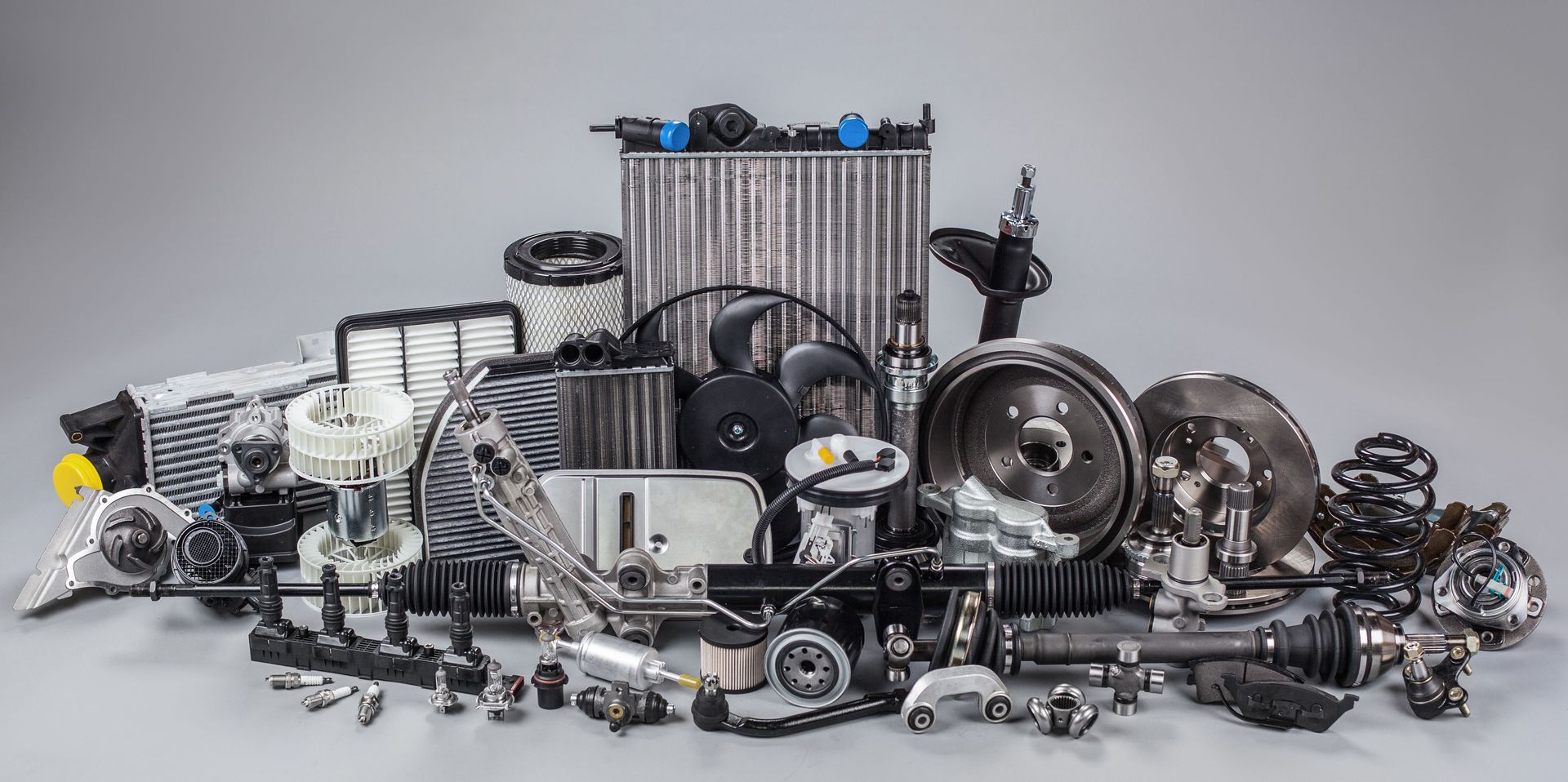
Not every component in an inoperable vehicle has reached the end of its useful life. Engines, transmissions, doors, mirrors, and other parts may remain suitable for continued use.
Recovering these components prevents unnecessary disposal and reduces demand for newly manufactured replacements.
Choosing used car parts allows existing materials to remain productive rather than becoming waste prematurely. This purchasing decision supports broader waste reduction efforts.
Conserving Valuable Natural Resources
Reducing Demand for Raw Materials
Manufacturing new automotive components requires steel, aluminum, copper, plastic, and other materials. Obtaining these resources involves mining, refining, processing, and transportation.
Each stage consumes energy and can affect surrounding ecosystems. Mining activities may disturb natural habitats, while manufacturing processes require additional resources.
By extending the useful life of existing automotive components, recycling helps reduce the need for replacement materials.
This approach promotes responsible resource management while maintaining the importance of professional vehicle repairs.
Preserving Metals and Other Materials
Automobiles contain numerous materials that can be recovered and reused. Steel and aluminum are particularly valuable because they can be recycled into new products.
Recycling metals generally requires less energy than producing equivalent materials from newly extracted resources. This conservation reduces environmental pressure associated with mining and industrial production.
Even components unsuitable for direct reuse may contain recoverable materials.
Professional automotive recyclers identify these opportunities and direct materials toward appropriate recovery processes.
Supporting Responsible Resource Consumption
Natural resources are limited, making efficient material use increasingly important. Automotive recycling maximizes the value of resources already extracted and processed.
When vehicle owners select used car parts, they support a system that prioritizes continued usefulness over unnecessary replacement.
This approach can also provide financial benefits by offering alternatives to purchasing new components.
At Goyette's Auto Recycling, we believe responsible recycling connects practical automotive needs with long-term environmental conservation.
Lowering Energy Consumption and Emissions
Reducing Manufacturing Energy Requirements
Producing new automotive components involves energy-intensive manufacturing processes. Raw materials must be extracted, transported, refined, and transformed into finished products.
These activities can generate greenhouse gas emissions, particularly when facilities depend on fossil fuels.
Reusing an existing component can avoid much of the energy associated with manufacturing a replacement from raw materials.
Although recovered components still require transportation, inspection, and handling, their continued use reduces demand for new production.
Limiting Transportation-Related Environmental Impacts
Automotive supply chains frequently involve components traveling considerable distances between manufacturers, distributors, and repair facilities.
Transportation consumes fuel and contributes to greenhouse gas emissions.
Locally sourced recycled components may reduce transportation requirements, depending on availability and shipping arrangements.
Working with an established automotive recycler helps customers locate suitable replacement components while supporting regional businesses.
Environmental benefits depend on individual circumstances, but shorter supply chains can contribute to efficient resource distribution.
Encouraging Lower-Impact Replacement Options
Vehicle repairs sometimes require replacing damaged, worn, or malfunctioning components.
Selecting used car parts provides an environmentally responsible alternative when a suitable component is available.
Professional repair technicians can determine whether a recycled component meets the vehicle's requirements and is appropriate for its intended application.
This ensures environmental considerations remain balanced with vehicle reliability, compatibility, and safety.
Supporting a Circular Automotive Economy
Keeping Automotive Materials in Circulation
A circular economy extends the useful life of products and materials instead of following a traditional pattern of production, consumption, and disposal.
Automotive recycling supports this approach by recovering components that can continue serving their original purposes.
For example, a vehicle with extensive body damage may still contain functioning mechanical components.
Rather than discarding the entire vehicle, professional recyclers identify parts suitable for recovery and potential resale.
This process keeps valuable resources circulating within the automotive marketplace.
Creating Value Through Component Reuse
Recovered automotive components provide value to vehicle owners, repair businesses, and recycling facilities.
Professional recyclers connect available components with customers seeking appropriate replacements.
This process reduces unnecessary manufacturing demand while making vehicle repairs more economical.
Used car parts also provide an opportunity to maintain vehicles that might otherwise become expensive to repair.
Keeping an existing vehicle operational can sometimes delay the need for another vehicle, although environmental outcomes depend on fuel efficiency and vehicle condition.
Strengthening Sustainable Business Practices
Automotive recycling demonstrates how environmental responsibility and economic activity work together.
Recycling facilities recover usable materials, support employment opportunities, and supply components to automotive repair businesses.
These activities contribute to local economies while reducing waste.
At Goyette's Auto Recycling, we value our industry's role in connecting customers with recycled automotive components and promoting responsible resource use.
Supporting established recycling businesses maintains the infrastructure necessary for effective automotive material recovery.
Advancing Automotive Recycling Practices
Improving Material Recovery Processes
Automotive recycling continues to evolve as equipment, technology, and material identification methods improve.
Modern processing techniques help recycling facilities separate metals, plastics, and other materials efficiently.
Better recovery practices reduce contamination and increase the amount of material available for reuse or recycling.
These improvements help recycling professionals manage increasingly complex vehicle designs and components.
As automotive technology changes, responsible recycling practices remain essential for minimizing environmental impacts.
Addressing Emerging Recycling Challenges
Modern vehicles contain sophisticated electronics, specialized materials, and increasingly complex assemblies.
Electric and hybrid vehicles introduce additional considerations, particularly regarding high-voltage batteries and electrical systems.
These components require specialized knowledge, equipment, and handling procedures.
Professional recycling facilities must address these challenges while identifying opportunities for safe material recovery.
Continued industry innovation can improve recycling efficiency and support environmentally responsible vehicle processing.
Encouraging Environmentally Responsible Decisions
Consumers influence automotive sustainability through purchasing and maintenance decisions.
Choosing reputable recycling businesses encourages continued investment in responsible recovery practices.
When appropriate, used car parts offer a practical way to support material conservation while maintaining professional automotive service.
Vehicle owners should work with qualified technicians to confirm component compatibility and suitability before installation.
These decisions create demand for recovered materials while supporting safe, dependable vehicle operation.
Choose Goyette's Auto Recycling for Sustainable Automotive Solutions
Automotive recycling provides environmental benefits by reducing landfill waste, conserving natural resources, and limiting demand for energy-intensive manufacturing.
Recovering functional components also supports a circular economy, strengthens local businesses, and encourages responsible resource management.
At Goyette's Auto Recycling, we believe valuable automotive components deserve an opportunity for continued use whenever appropriate. Our commitment to automotive recycling reflects the importance of reducing waste and making existing resources go further.
If you're looking for used car parts, contact Goyette's Auto Recycling to learn more about available components. We're here to help you explore practical replacement options while supporting a more sustainable automotive industry.